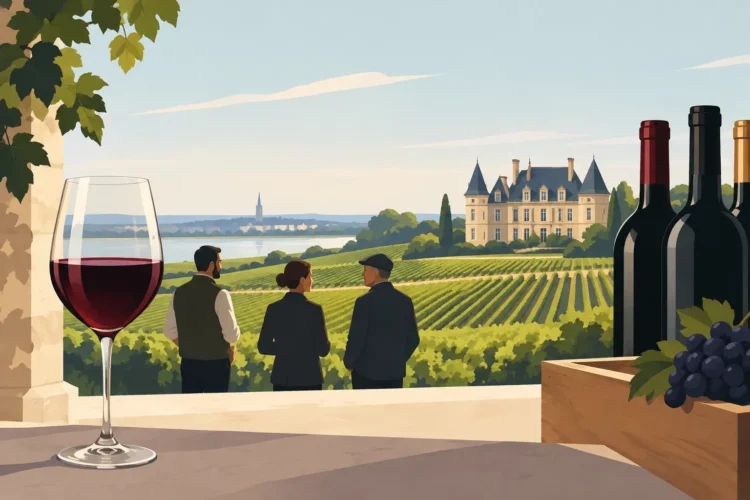
A Bordeaux label can look rather formal: château name, appellation, vintage, perhaps a grand-looking crest. Yet the most useful clue to what is in the bottle is often the person or family behind it. Bordeaux producers make decisions that no label hierarchy can fully explain – how the vines are farmed, when grapes are picked, how much new oak is used and whether a wine is made for immediate pleasure or a patient place in the cellar.
For anyone who has felt that Bordeaux is impressive but slightly intimidating, producer-led buying is a much better starting point. It turns a vast region into a set of human choices, and it makes finding good value far more enjoyable.
Why Bordeaux producers matter more than prestige alone
Bordeaux is not one style of wine. It is a large region shaped by two major rivers, the Garonne and Dordogne, with hundreds of communes and a remarkable range of soils. Cabernet Sauvignon often thrives on the gravelly Left Bank, where it can produce structured, blackcurrant-scented reds built to age. Merlot is especially at home on many Right Bank clay and limestone sites, bringing plum fruit, supple texture and earlier approachability.
That geography matters, but it is only half the story. Two neighbouring estates can make very different wines from the same grape varieties. One producer may favour a long maceration and plentiful new French oak, creating a firmer, more polished style. Another may extract more gently, use larger or older barrels and bottle a brighter, less woody wine. Neither approach is automatically better. The right choice depends on whether you want a bottle for roast lamb this Sunday, a dinner party next month or a few years of patient cellaring.
The producer also determines how closely the wine reflects its vintage. A warm year can bring generosity and ripe fruit; a cooler year may show more freshness and restraint. Skilled growers adjust their work in the vineyard and cellar without trying to make every harvest taste identical. That individuality is precisely what makes Bordeaux worth drinking beyond famous names.
The different faces of Bordeaux
When people say Bordeaux, they often mean red claret. Red remains central, usually based on Merlot, Cabernet Sauvignon and Cabernet Franc, with smaller roles for Petit Verdot, Malbec and Carmenère. But a producer’s range may tell a broader story.
Dry white Bordeaux, typically made from Sauvignon Blanc and Sémillon, can be crisp and citrus-led, or rounded and quietly nutty when Sémillon and barrel ageing play a bigger part. It is an excellent, often overlooked choice for fish pie, roast chicken, goat’s cheese or a vegetable tart. The best examples have enough texture to feel serious at the table without becoming heavy.
Then there are the sweet wines of Sauternes and Barsac, where botrytis, sometimes called noble rot, concentrates flavour in grapes under the right autumn conditions. At a thoughtful producer, these wines balance honeyed richness with acidity rather than simply tasting sugary. Rosé, Crémant de Bordeaux and lighter reds from less celebrated appellations add further options for relaxed drinking.
This is why buying by producer can be so rewarding. An estate whose red appeals to you may also make a white that suits your cooking, or a second wine that offers a more accessible introduction to its house style.
Sustainability starts in the vineyard
Bordeaux has sometimes been associated with intensive farming, but the picture is changing quickly. Many estates are reducing treatments, improving soil health and encouraging biodiversity between the vines. For buyers who care about provenance as well as flavour, it is worth looking beyond a vague claim of being “green”.
Organic certification means vines are farmed without synthetic herbicides, pesticides or fertilisers, subject to the rules of the certifying body. Biodynamic farming goes further, treating the vineyard as a living ecosystem and using specific preparations and a seasonal farming calendar. These methods can be demanding in Bordeaux’s humid climate, where fungal disease pressure is real. A difficult growing season does not make sustainable farming impossible, but it does make it a serious commitment rather than a marketing shortcut.
HVE, or Haute Valeur Environnementale, is another French environmental certification you may see. HVE level 3 is the highest level and assesses measures including biodiversity, plant protection, fertiliser management and water use. It is not the same as organic certification, but it can indicate that an estate is taking measurable steps towards more responsible agriculture.
Low-intervention winemaking is a separate question. Some producers ferment with native yeasts, limit filtration and use little or no added sulphur. These choices can bring vivid perfume and texture, though they can also make wines less predictable. If you enjoy a clean, classic claret profile, a carefully farmed conventional or HVE estate may suit you better than a very natural style. The aim is not to collect badges. It is to understand what a producer’s choices mean in your glass.
How to choose Bordeaux producers with confidence
Start with the occasion, not the most famous appellation. For a midweek steak, sausage casserole or mushroom-based meal, seek a fruit-forward Merlot-led red from Bordeaux Supérieur, Côtes de Bordeaux, Fronsac or Castillon Côtes de Bordeaux. These areas can provide generous character and real value, often without the price premium attached to the most recognisable villages.
For a more structured bottle, look towards the Médoc, Haut-Médoc, Graves or Pessac-Léognan. Cabernet-led wines from gravel soils tend to have cassis, cedar, tobacco and firm tannin. Young examples benefit from decanting, particularly with a richer roast or a well-marbled piece of beef. The same producer’s second wine can be a sensible route into this style, as it is commonly made to be enjoyed earlier.
On the Right Bank, Saint-Émilion and Pomerol are famous names, but their neighbouring appellations often deserve equal attention. A thoughtful producer in Montagne-Saint-Émilion, Lalande-de-Pomerol or Puisseguin-Saint-Émilion may offer the plush fruit, floral Cabernet Franc lift and limestone freshness that people love in the area, at a more relaxed price.
A few label details help, but use them as prompts rather than rules. Vintage tells you about the season; appellation points to place; the château name identifies the producer. Terms such as grand cru classé or cru bourgeois describe classifications, not a guarantee that every bottle will suit your palate or budget. A well-made, unclassified wine from a conscientious grower can easily be the more memorable bottle at the table.
Questions worth asking before you buy
If a bottle description leaves you uncertain, focus on three practical questions: is the wine Merlot-led or Cabernet-led, is it intended for drinking now or ageing, and how has the producer farmed? Those answers reveal more than a grand label design ever could.
It also helps to be honest about the styles you already enjoy. If you like Rioja Reserva, you may appreciate a mature, oak-influenced Left Bank Bordeaux. If you favour softer reds from the Rhône or Languedoc, a juicy Merlot-dominant Côtes de Bordeaux may feel more natural. For lovers of Loire Cabernet Franc, seek Right Bank wines with a meaningful Cabernet Franc component and fresher limestone character.
Serving Bordeaux without making it a ceremony
Most red Bordeaux is best served a little cooler than a centrally heated UK dining room. Around 16-18°C works well for fuller reds, while lighter, younger examples can be especially refreshing at 14-16°C. If the bottle has been on a warm kitchen counter, 20 minutes in the fridge can sharpen the fruit and calm the alcohol.
Decanting is useful, but it need not be theatrical. A young, tannic Cabernet-based wine may open beautifully with an hour of air. A mature bottle should be handled more gently, as prolonged exposure can make delicate aromas fade. When in doubt, pour a glass on opening, taste it again after 20 minutes and let the wine show you what it needs.
Food is Bordeaux’s natural habitat. Classic red styles are excellent with roast beef, lamb, duck, hard cheeses and lentil dishes with earthy mushrooms. Dry white Bordeaux is wonderfully adaptable with seafood, creamy chicken dishes and asparagus, while sweet Bordeaux has enough acidity for blue cheese as well as fruit desserts.
A more interesting way to buy Bordeaux
The most satisfying Bordeaux collection is rarely a row of expensive trophies. It is a small, varied group of bottles from producers whose approach you understand: an easy-going Merlot-led red for supper, a bright white for the fridge, a more serious Cabernet blend for Sunday lunch and perhaps one bottle to put away.
At Wine Affairs, filtering by region, appellation, grape and sustainable credentials can make that exploration feel much less daunting. Choose one producer whose style appeals, try another bottle from their range when available, then compare it with a neighbouring appellation or a different farming approach. Bordeaux rewards curiosity, and the best producer for you is the one whose wine makes you want to pour a second glass, ask a question and plan the next meal around the bottle.