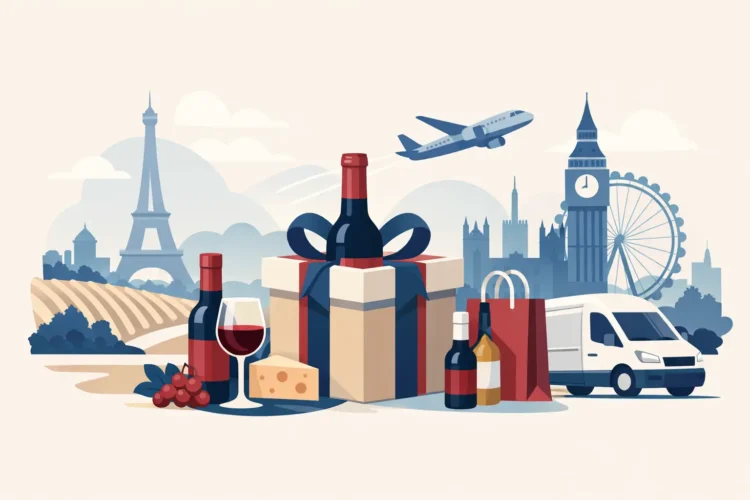
A last-minute bunch of flowers can be lovely, but a well-chosen bottle from a French estate has a longer memory. French wine gift delivery UK shoppers can send something genuinely personal without guessing at a supermarket shelf – whether it is a bright Loire white for a dinner host, a graceful Burgundy for a milestone birthday, or a celebratory crémant for someone who deserves a proper toast.
The best wine gifts do not need to be rare, expensive or wrapped in complicated jargon. They simply need to suit the person, the occasion and, ideally, the food likely to be on the table. Bonjour – that is where a little guidance makes all the difference.
Why French wine makes such a good gift
France offers extraordinary range. A gift can be light, zesty and easy-going; deep, structured and built for a Sunday roast; or finely sparkling for a celebration. Crucially, French wine often comes with a sense of place. The vineyard, grape variety, farming and local tradition all show up in the glass.
That makes it a more thoughtful present than a generic “red” or “white”. A bottle of Picpoul from the Languedoc suggests seafood and sunshine. A peppery Rhône Syrah feels right for a friend who cooks hearty meals. A pale Provence rosé is an easy win for summer entertaining. You are not only sending wine – you are giving the recipient a delicious reason to open it.
There is also a useful middle ground in French wine. Prestigious names such as Champagne and Burgundy are wonderful when the budget allows, but lesser-known appellations and independent producers can offer remarkable character for sensible money. A thoughtful gift is about suitability, not a famous label alone.
Choosing French wine gift delivery UK recipients will enjoy
Start with the person rather than the region. If they usually drink Sauvignon Blanc, they may enjoy a crisp Loire Valley white from Touraine or Sancerre. For a Chardonnay fan, Burgundy is a natural direction, although southern French Chardonnay can offer a richer style at a friendlier price. Someone who reaches for Malbec or full-bodied reds may appreciate a generous Languedoc blend, a Rhône Grenache-Syrah-Mourvèdre, or a Bordeaux with a little bottle age.
Match the wine to the occasion
For birthdays, anniversaries and thank-yous, one special bottle can feel just right. Choose something with a clear story: an organic wine from a family domaine, a complex Jura red for an adventurous drinker, or a beautifully made Champagne or crémant. If the recipient is a confident wine lover, a magnum is particularly festive and makes a generous centrepiece at lunch or dinner.
For housewarmings, new babies, engagements and Christmas gatherings, a mixed case is often more useful. It gives the recipient a choice and takes pressure off finding the perfect single bottle. A balanced case might include a fresh white, an aromatic white, a lighter red, a fuller red, rosé and bubbles. It is also ideal for hosts who will be feeding several people over a busy weekend.
Dinner invitations call for a slightly different approach. Think about the menu if you know it. A mineral, dry Alsace Riesling is a brilliant companion to spicy food and pork; Pinot Noir is versatile with duck, mushrooms and salmon; and a textured white Rhône blend handles roast chicken beautifully. If the food is unknown, a polished, medium-bodied red or a sparkling wine is usually a safer choice than something intensely tannic or very sweet.
Choose with confidence, not assumptions
Not everyone wants a heavyweight red, and not every wine enthusiast wants a trophy bottle. A recipient who enjoys discovering new things may value a natural wine from the Loire or a low-intervention Corsican white more than a familiar big name. On the other hand, if you know they prefer classic, clean-cut styles, choose a wine with clear appellation character and careful winemaking rather than something deliberately wild or cloudy.
If you are unsure, a mixed French case or a gift card offers freedom without feeling impersonal. Include a note suggesting a food pairing or the reason you chose it. That small detail turns a delivery into a present.
Bottle, magnum or case?
A single 75cl bottle is perfect when you know the recipient’s taste or want to mark a specific moment. It works particularly well for a thoughtfully chosen Champagne, a fine Bordeaux, a Burgundy Pinot Noir or a distinctive biodynamic cuvée.
A magnum is best saved for celebratory people and shared occasions. Its 1.5-litre format looks impressive, but it is not merely about appearance: larger bottles can also age more slowly and gracefully. The trade-off is practicality. Make sure the recipient is likely to have company, and that they have somewhere cool to store it.
A case is the most generous option for families, office gifts and people who entertain. It can also be the more thoughtful route for a curious drinker, because it creates a small tour of France rather than placing all the pressure on one bottle. At Wine Affairs, mixed cases make this easy to do without buying six of the same wine.
French regions that make gifting easy
Burgundy is a lovely choice for lovers of elegant Pinot Noir and nuanced Chardonnay, though prices can rise quickly. The Loire offers excellent value and variety, from lively Sauvignon Blanc to Cabernet Franc reds with freshness and lift. For someone who likes a polished, traditional red, Bordeaux remains a dependable gift category, especially with food.
The Rhône is one of the most useful regions when buying for red-wine drinkers. Northern Rhône Syrah often brings black pepper, dark fruit and savoury depth; southern Rhône blends tend to be warmer, softer and generously fruity. Provence is the natural home of pale, dry rosé, while Languedoc-Roussillon offers expressive, sunny wines that can be organic, characterful and excellent value.
For a more unusual gift, look to Alsace, Jura or Corsica. Alsace can offer beautifully aromatic whites, from dry Riesling to richer Pinot Gris. Jura is fascinating for people who enjoy distinctive, food-friendly wines, although its styles are less familiar and better chosen with the recipient’s preferences in mind. Corsican wines often combine Mediterranean generosity with a freshness that feels completely their own.
Give a wine that reflects their values
A wine gift can say something about how it was made as well as how it tastes. If the recipient cares about farming and provenance, look for clear information on sustainable, organic or biodynamic practice.
HVE, short for Haute Valeur Environnementale, is a French environmental certification that assesses areas such as biodiversity, plant protection and water management. Organic farming avoids synthetic herbicides and pesticides, while biodynamic growers work to organic principles with additional whole-farm practices. Natural wine is a broader, less tightly regulated term, generally associated with low-intervention winemaking and sometimes little or no added sulphur.
None of these labels automatically tells you whether a wine will suit a particular palate. An organic Bordeaux can be classic and refined; a natural wine can be vibrant and unconventional. The useful question is both: how was it grown, and will they enjoy drinking it?
Make the delivery feel considered
A gift message matters more than extravagant wrapping. Mention the occasion, a shared meal, or a simple instruction such as “Save this for your first dinner in the new house.” If the recipient does not know much about wine, add a serving tip: chill whites and rosés properly, give most reds a little air, and avoid serving sparkling wine ice-cold.
Check delivery timing carefully, especially around bank holidays and Christmas. Next-day UK delivery for qualifying orders is helpful when plans move quickly, but leaving a little extra time is wiser for important dates. Also consider whether someone will be available to receive the parcel, since wine deliveries require an adult recipient.
The nicest French wine gift is not necessarily the grandest bottle in the room. It is the one that makes its recipient think, “Yes, this is exactly the sort of thing I would have chosen for myself.”