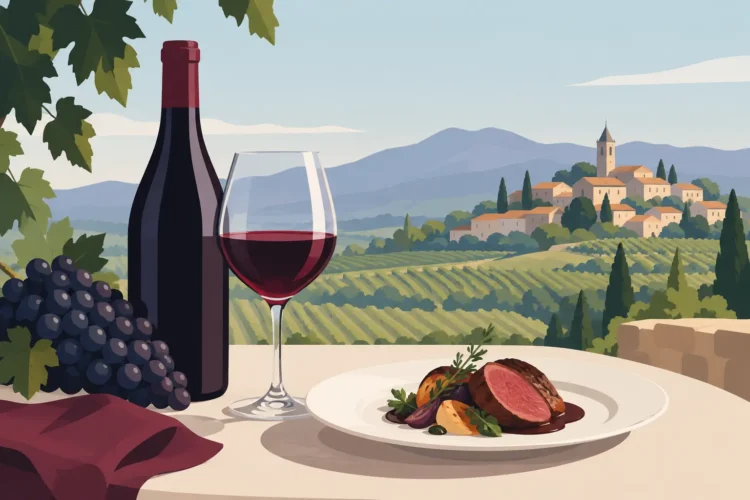
A glass of French Syrah can smell like cracked black pepper, violet and blackberry before it has even reached the table. Then comes the contrast: some bottles are taut, savoury and wonderfully brisk; others are generous with ripe dark fruit and Mediterranean warmth. That range is precisely what makes French Syrah such a rewarding grape to get to know.
For anyone who has only encountered heavily oaked, high-alcohol Shiraz, France offers a useful reset. Syrah is the same grape, but French growers tend to let place do more of the talking. Soil, slope, altitude, climate and the producer’s choices in the cellar can make a striking difference. Bonjour to a red wine that can be thrillingly serious, thoroughly relaxed or somewhere happily between the two.
What does French Syrah taste like?
At its core, Syrah is a dark-skinned grape with black-fruit flavour, firm but usually rounded tannins, fresh acidity and a distinctive savoury side. Blackberries, blackcurrants, plum skin, liquorice, olive, smoked meat, violet and black pepper are all classic descriptors. You will not necessarily find every one in a single bottle, but that peppery, herbal or floral lift is often the clue that says Syrah rather than a generic rich red.
The climate matters. In cooler or more northerly sites, Syrah can be fragrant, peppery and fresh, with a leaner frame and a hint of smoked bacon or graphite. In warmer southern vineyards, it tends towards sun-ripened blackberry, damson, garrigue herbs and softer, broader texture. Neither style is automatically better. It depends whether you want a bottle for roast lamb on a crisp evening or something juicy for a barbecue.
Oak is another variable worth noticing. Some producers use large, older barrels simply to soften the wine without making it taste woody. Others use a greater proportion of new oak, bringing notes of toast, vanilla, cocoa and spice. If you love the pure perfume of the grape, seek out bottles described as fresh, unoaked or raised in concrete. If you enjoy a richer, more polished red, barrel-aged Syrah may be just right.
The homes of French Syrah
Northern Rhône: Syrah in its most focused form
The Northern Rhône is Syrah’s spiritual heartland. Here it is generally the principal, and sometimes the only, red grape permitted in the leading appellations. Vineyards cling to steep slopes above the Rhône, where granite, schist and varied soils help create wines with intensity rather than sheer weight.
Crozes-Hermitage is often the most approachable place to start. Its Syrahs can offer blackberry and pepper, a lovely savoury edge and enough freshness to work brilliantly at dinner. Saint-Joseph can be similarly appealing, often with a little more tension and stony character. These are excellent choices for drinkers who enjoy Cabernet Franc, elegant Malbec or Pinot Noir with more depth.
Cornas is usually darker, more structured and more brooding. It can need time in bottle or a good decant before it shows its best. Hermitage, from its famous hillside vineyards, has the potential for great concentration and longevity, combining dark fruit with spice, earth, floral lift and serious tannin. Côte-Rôtie is the most perfumed and often the most graceful expression, with some examples permitted to include a small proportion of Viognier. This can add a haunting floral aroma and soften the wine’s muscular outline, though it should never turn it into a white-wine blend in disguise.
Northern Rhône Syrah is not always inexpensive. Steep vineyards are labour-intensive, yields can be modest and the top appellations are sought after. Yet a thoughtful Crozes-Hermitage or Saint-Joseph can deliver enormous character without requiring a special-occasion budget.
Southern Rhône: Syrah as a generous team player
Travel south and Syrah becomes part of a broader conversation. In many Southern Rhône reds, it is blended with Grenache and Mourvèdre, along with other permitted varieties. Grenache brings plush red fruit and warmth; Mourvèdre can bring structure, dark savouriness and gamey spice; Syrah contributes colour, blackberry fruit, pepper and backbone.
In Côtes du Rhône, Syrah is often a key reason a wine feels more vivid and structured than a straightforward juicy red. In Côtes du Rhône Villages and named villages, its role may become more pronounced. Gigondas and Vacqueyras can offer powerful, food-loving blends where Syrah’s peppery dark fruit keeps the generosity in check. Châteauneuf-du-Pape may feature Syrah too, although its proportion varies widely by producer and vintage.
These wines generally suit people who like flavour without fuss: ripe but not necessarily sweet, generous but still grounded in herbs, spice and earthy detail. They are also among the easiest French reds to bring to a gathering, because they cope well with a wide range of food.
Languedoc-Roussillon: expressive Syrah with value
Syrah has become one of Languedoc-Roussillon’s most important red grapes, and this is where British drinkers can find excellent value alongside real regional personality. The vast area includes cooler elevated vineyards, coastal influence and hot inland sites, so style varies more than a single label can suggest.
In places such as Pic Saint-Loup, limestone soils and cooler nights can preserve freshness, giving Syrah a peppery, herbal edge. In warmer parts of the Languedoc, it may be darker, riper and more voluptuous, often blended with Grenache, Carignan or Mourvèdre. Roussillon can bring even more Mediterranean sun, mineral detail and wild-herb character.
This is also an exciting region for growers working organically, biodynamically or with low-intervention methods. Those terms are not guarantees of a particular flavour, and natural wine is not automatically better wine. But growers who farm carefully often produce grapes with energy and definition, particularly when they avoid over-ripeness and excessive cellar make-up. Look for clear information about the producer’s approach rather than relying on a single buzzword.
How to choose a French Syrah bottle
Start with the occasion, not the grandest appellation on the label. For a weekday meal, an approachable Côtes du Rhône with a healthy Syrah component or a fruit-forward Languedoc blend is likely to be more immediately enjoyable than a young, tightly wound Cornas. For a roast, a steak night or a bottle to lay down, Northern Rhône Syrah offers more structure and complexity.
If you like your reds fresh and savoury, look for Northern Rhône appellations, elevated Languedoc sites, moderate alcohol and tasting notes mentioning pepper, violet, mineral or olive. If you prefer fuller, softer reds, southern blends and warmer Languedoc Syrahs are a sensible direction. A vintage can shift the balance too: warmer years often bring richer fruit, while cooler seasons can emphasise perfume and acidity.
Sustainability is worth considering, but it need not make choosing harder. HVE certification indicates a French farm has met environmental standards around areas such as biodiversity and crop protection. Organic certification focuses on growing without synthetic herbicides, pesticides or fertilisers. Biodynamic farming goes further, treating the vineyard as a living system. Each can be useful information, but the most helpful question remains simple: does the producer farm thoughtfully and make wine you will enjoy drinking?
At Wine Affairs, filtering by region, grape and farming approach can make this much easier than trying to decode every French label at once. If you are uncertain, describe a wine you already enjoy and the food you are cooking. A good recommendation should narrow the field, not turn dinner into homework.
Food pairings for French Syrah
French Syrah is made for food because its acidity and savoury character cut through richness while its dark fruit stands up to properly flavoured dishes. Northern Rhône examples are superb with pepper-crusted duck breast, venison, lamb cutlets, mushroom dishes and sausages with lentils. Their herbal and smoky notes also make them a surprisingly good match for aubergine, especially when it is charred or roasted.
Riper Southern Rhône and Languedoc styles are natural partners for slow-cooked lamb shoulder, grilled pork, beef daube, merguez, smoky barbecue dishes and hard cheeses. Avoid very hot chilli, which can make tannin feel harsh and alcohol feel hotter. A gentler spice profile, fragrant herbs and a little sweetness from roasted vegetables work far better.
Serve most French Syrah slightly cooler than a centrally heated room, around 15-17°C. A light, youthful bottle may need only opening shortly before dinner. A more serious Northern Rhône, particularly one with a few years of age, benefits from an hour in a decanter. That is not ceremony for its own sake: air helps the aromas open and lets firm tannins settle into the background.
The best first bottle is rarely the most famous one. Choose a French Syrah that suits the meal, your preference for freshness or richness, and the people around the table. Then make a note of the region and producer. One well-chosen glass has a way of making the next French wine decision much easier.